2.7 🍺above average
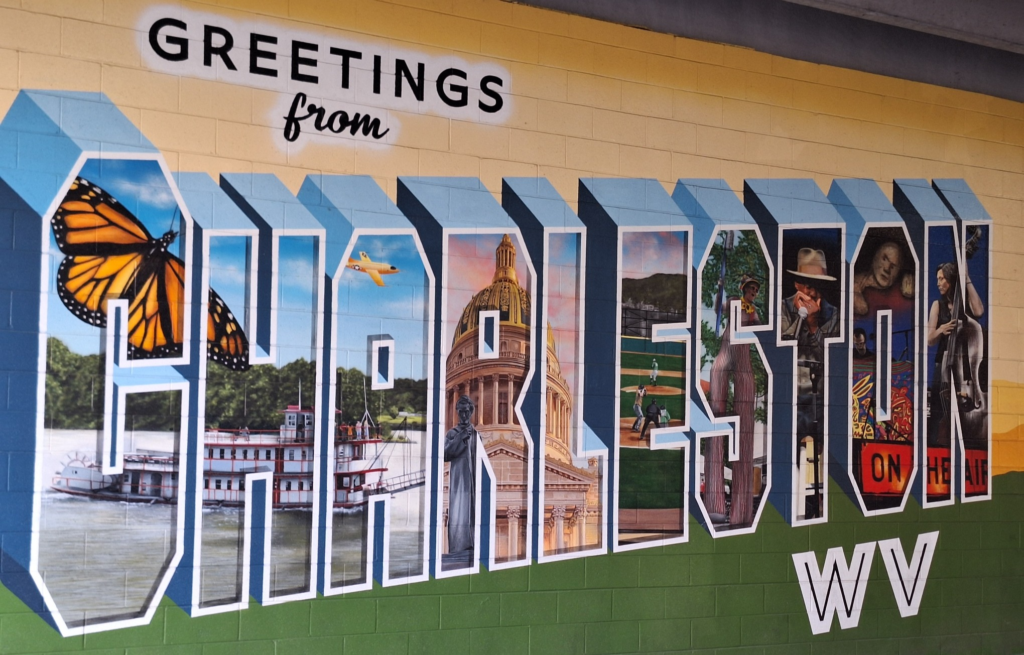
Charleston, West Virginia, and the surrounding “Chemical Valley” have historically been a thriving nexus of commerce and manufacturing. The salt brines along the Kanawha River—and an abundance of slave labor—made it the world’s largest producer of salt in the early 1800s, and during World War II, the state capital was America’s principal manufacturer of synthetic rubber. But with the decline of coal mining and the closure of chemical plants, the city has lost nearly half its population since 1960. Even at roughly 46,000, Charleston is still the largest city in the mostly rural state of West Virginia. Only Vermont has a less populous largest city (Burlington, 44,000).
Despite its relative size, Charleston has lagged behind the rest of the state in craft brewing. During West Virginia’s initial wave of microbreweries, a group of local Charleston homebrewers, in 1994, launched Cardinal Brewing Co., the state’s first (and thus far only) craft production brewery, with an annual capacity of 5,000 barrels. Seneca Red Ale, Devil Anse Lager, and New River Pale Ale were well received throughout the state and began to make their way to Maryland, Virginia, DC, and other mid-Atlantic markets. But as many early craft breweries learned, an unpasteurized product and unreliable distribution would doom plans for regional expansion. An agreement to contract brew with Stroh’s brewery in Winston-Salem, North Carolina, collapsed when the former Detroit-based brewer spiraled into bankruptcy. Cardinal followed suit in 1997, leaving Charleston without a brewery for 16 years.
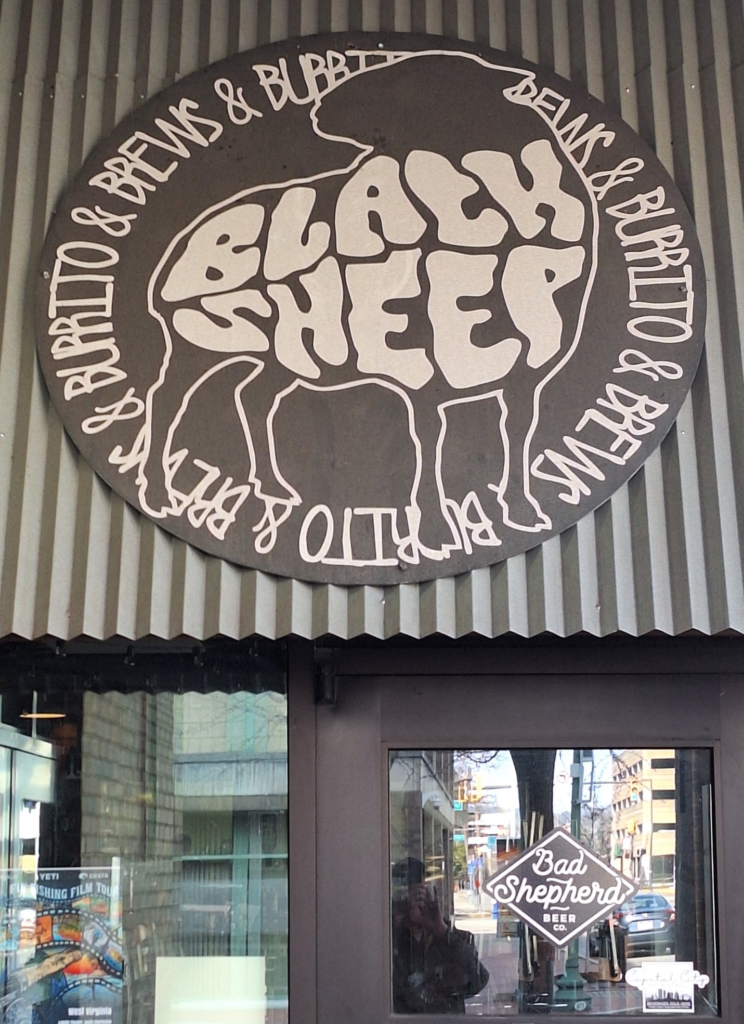
Craft brewing returned to the city in 2013, when Anne Saville, another Charleston homebrewer and owner of Taylor Books, opened the Charleston Brewing Co. in the city center. This was before breweries could sell directly to the public, so the brewery sold its beers through the adjoining Black Sheep Burritos and Brews. In 2016, the Black Sheep restaurant group bought the brewery’s assets and began brewing as Bad Shepherd Beer Co. For nearly a decade, Charleston Brewing/Bad Shepherd was Charleston’s only source for locally brewed craft beer. During craft beer’s most explosive period of growth, in the 2010s, at least eight other West Virginia cities smaller than Charleston—some less than half the size—supported two or more breweries. Bad Shepherd soldiered on alone.
Longtime Charleston resident Derek Godwin always wanted to open a bar, and after a visit to a craft brewery in Florida, his wife finally said yes—to a taphouse. Godwin, a CPA, and his wife, Lisa, an insurance executive, saw great potential in the vacant storefront one block northeast of Bad Shepherd and across the street from the entrance to the new City Center at Slack Plaza.
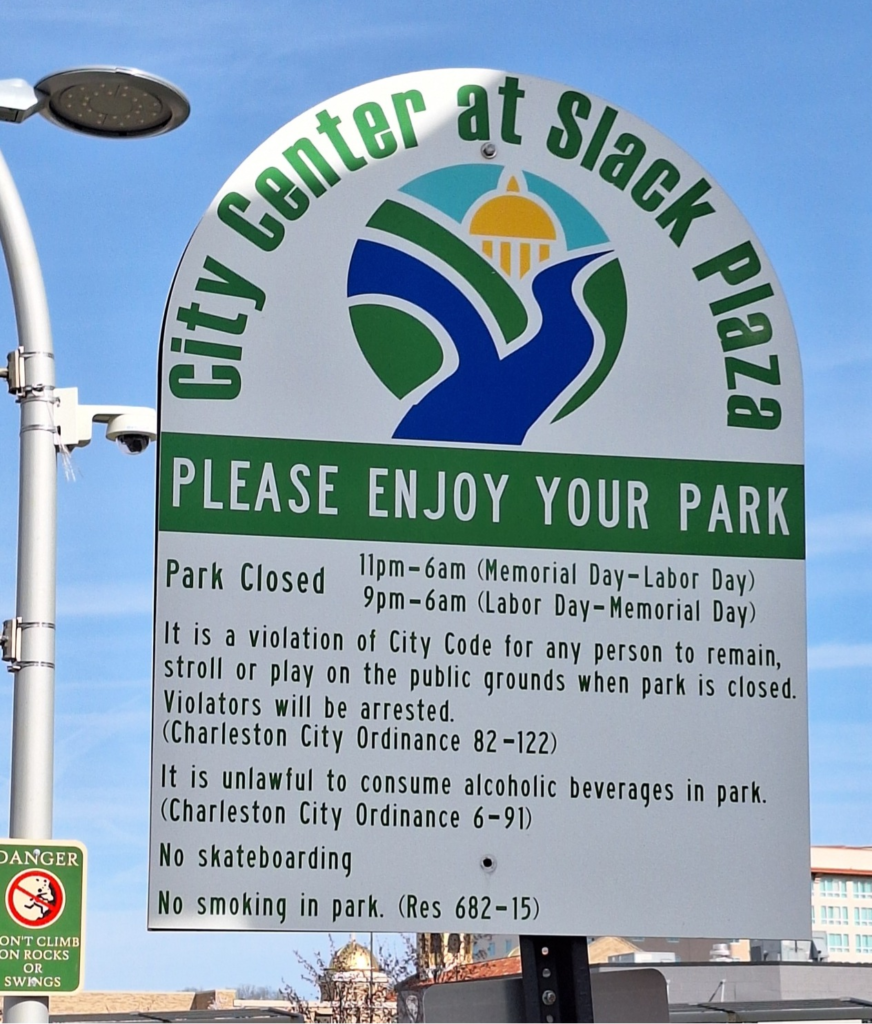
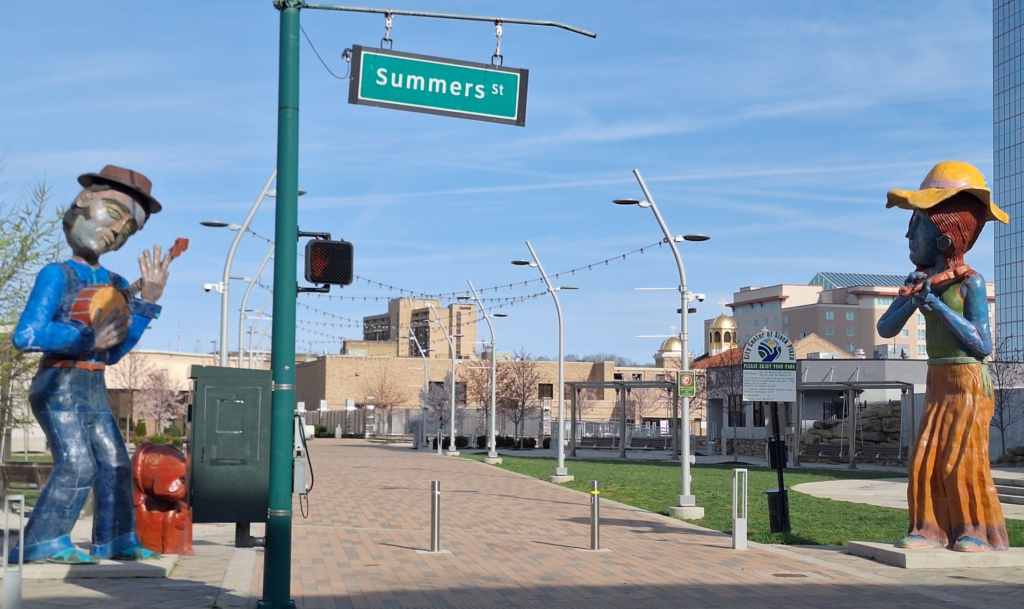
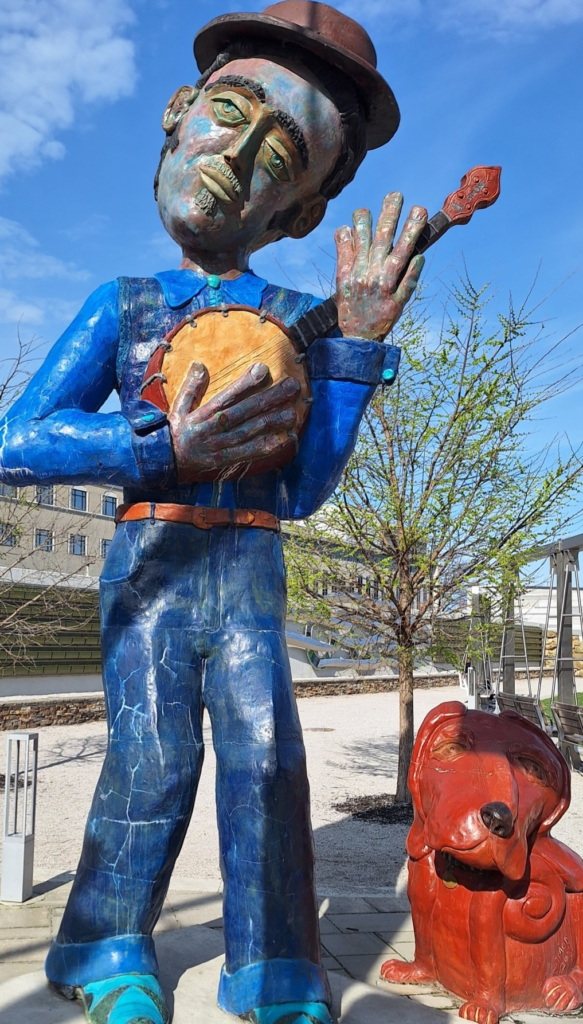
The old Slack Plaza was an urban park built in the 1980s that funneled pedestrians from the city center to the Charleston Town Center, one of the largest enclosed downtown malls in the nation. But as the mall lost tenants and downtown pedestrian traffic declined, the plaza became ground zero for Charleston’s homeless population. After a $3½ million facelift, the public space was rebranded as the new City Center at Slack Plaza in 2022, featuring a canopied stage, lighted fountain, expanded green space, and a number of art exhibits including two 16-foot-high Appalachian musicians, a fiddler and a banjo player, sculpted by Pittsburgh artist James Simon. As the sun sets, their shadows lean across Summers St. to the entrance of what would become Fife Street Brewing.
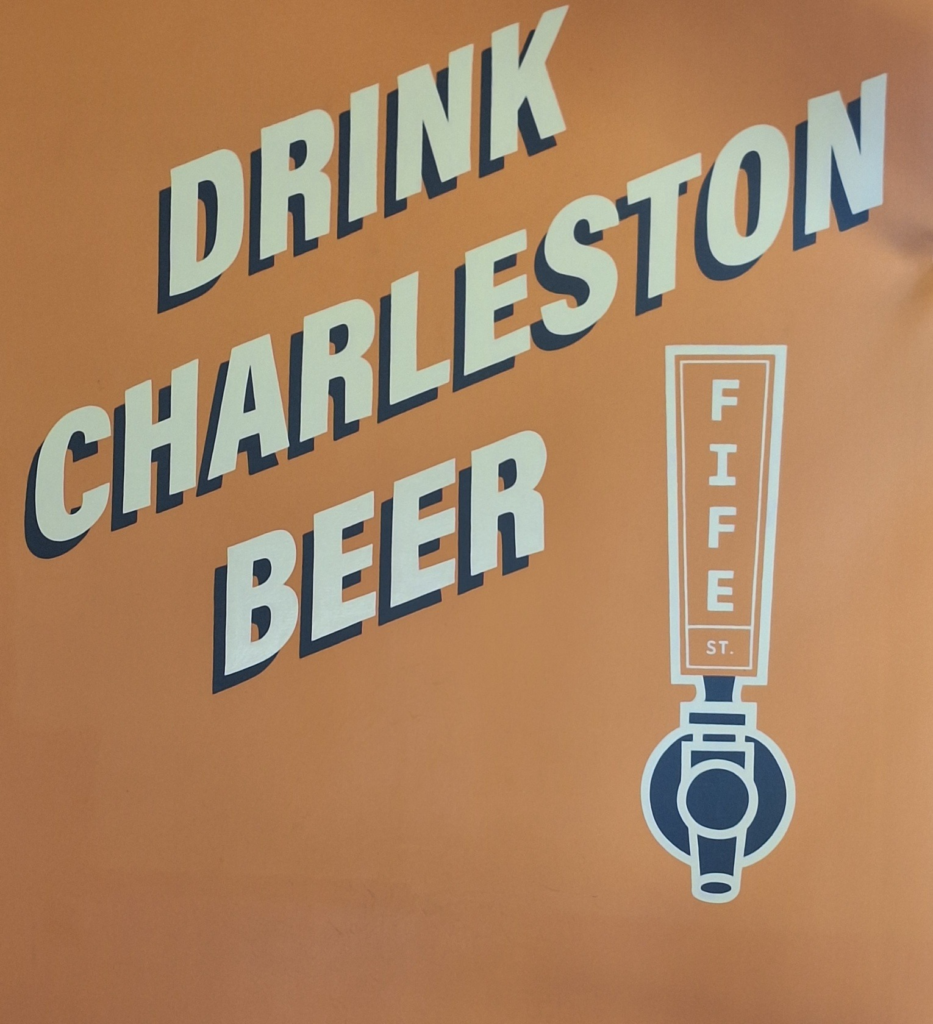
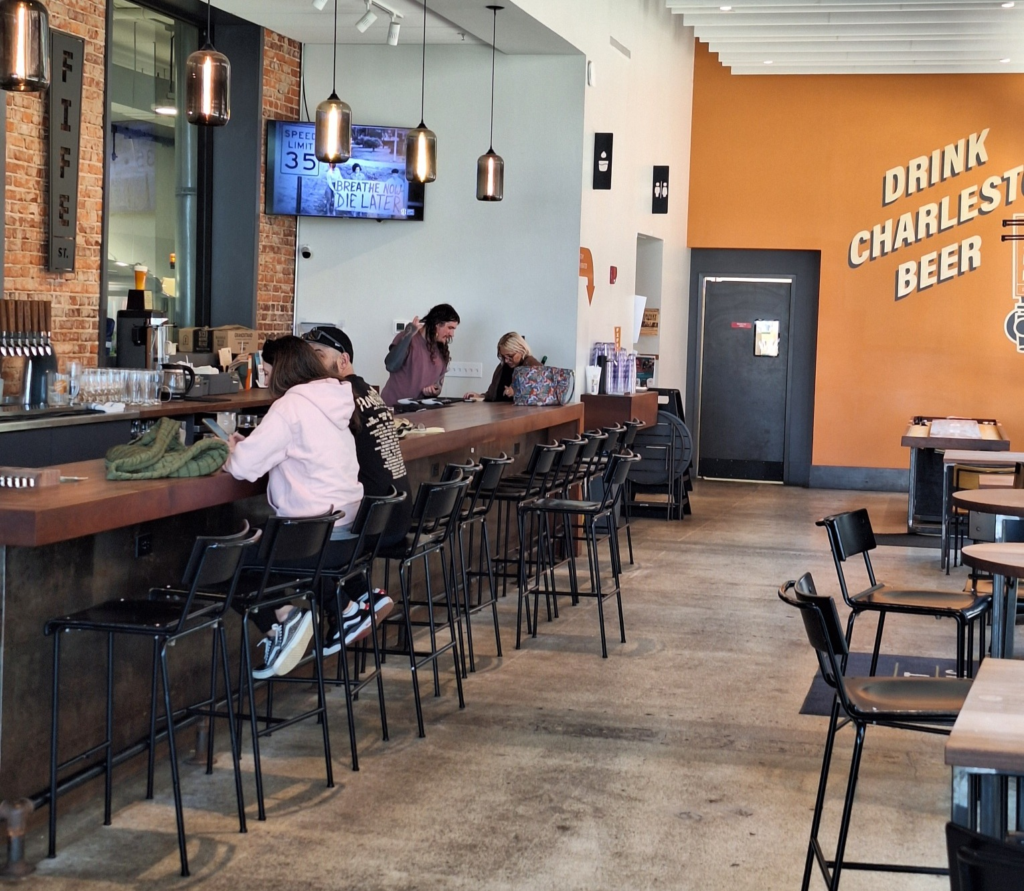
The Godwins assembled a dream team of co-owners that includes architect Jody Driggs and web design and marketing strategist Josh Dodd. The linear taproom features a 16-seat bar and seats about 60 indoors and another 60 outdoors along Summers St. and Brawley Walkway. Sliding windows provide a refreshing open-air experience inside. Driggs’ design—open and airy, with exposed brick and ductwork—is as sleek an interpretation of the modern urban taphouse as you’ll find anywhere. Dodd’s website is state-of-the-art and thoughtfully complements Driggs’ design choices and the investors’ branding strategy (“Drink Charleston Beer”).
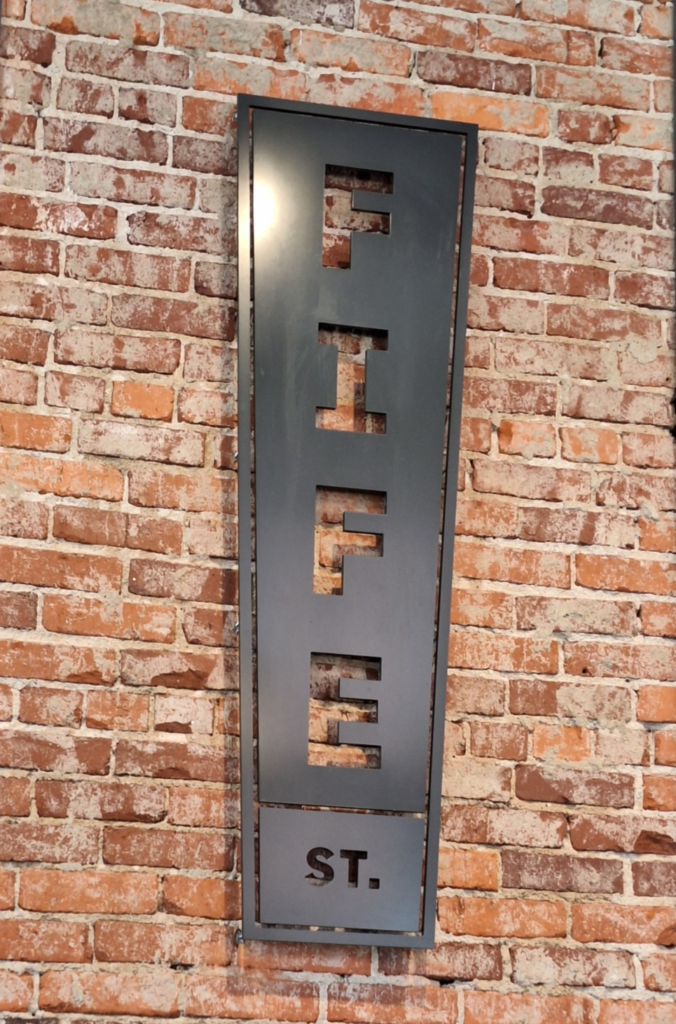
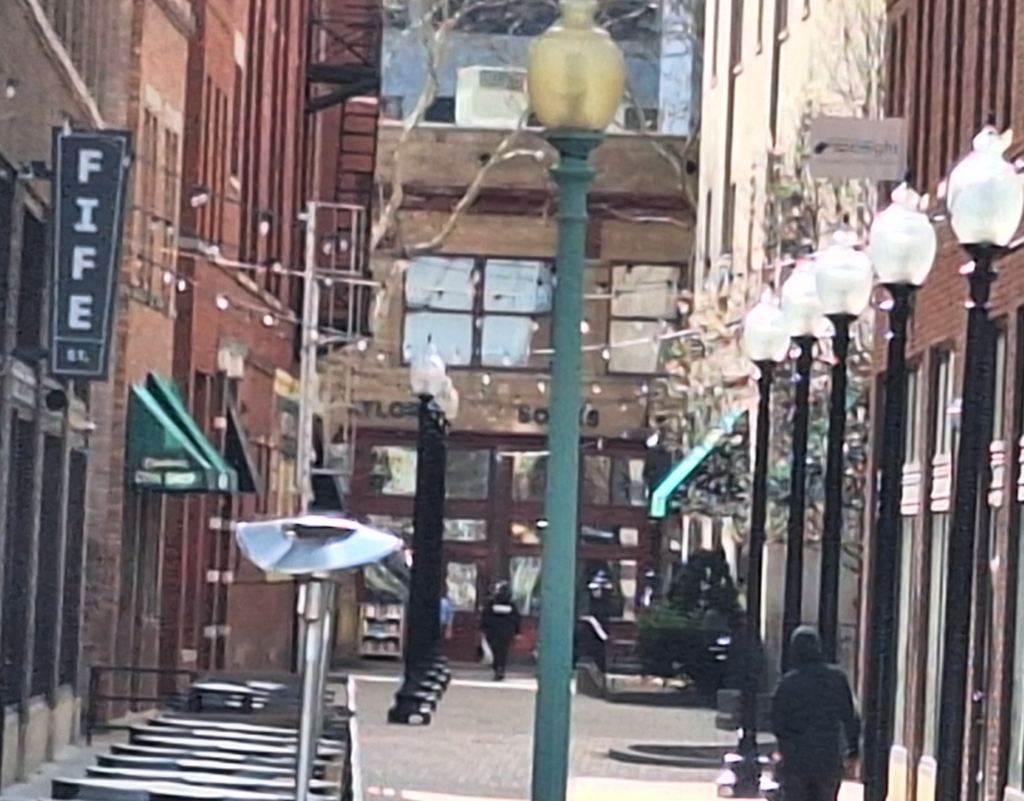
The brewery’s name, Fife Street, harks back to a narrow street that once ran alongside the brewery. Now a pedestrian zone (Brawley Walkway), it connects Summers St. with Capitol St., downtown Charleston’s leafy main drag. The brewery building is the former Fife Street Shoe Repair, a Charleston institution for 97 years. It once employed as many as 22 cobblers and, along with an adjacent café, was a popular downtown meeting spot before closing in 2015. Fife Street, the brewery, has now assumed that role.
After sorting through 55 resumes and conducting 15 interviews, the owners found an experienced professional to brew Fife Street’s beers. Gil Peterson had brewed in Michigan, Nebraska, and was production manager for four years at Fairhope Brewing in south Alabama before coming to Charleston. He immediately proved his worth when his first batch of Chuck’s P-51 Porter (7.4% ABV) won the Ollie Bailey “Best of Fest” award at the 2022 Rails & Ales Festival in Huntington—and later captured the top prize in 2024’s Foam at the Dome Festival in Charleston.

The beer is named after the P-51 Mustang, the plane hometown legend Chuck Yeager flew in WWII while shooting down 13 enemy aircraft. And while he is best known for breaking the sound barrier in 1947, it was his joyride one year later down the Kanawha River and under Charleston’s South Side Bridge that earned him an eternal place in West Virginia lore. Yeager was flying at 500 mph in a Lockheed P-80 Shooting Star, the Air Force’s first fighter jet, while a regatta was underway on the river. He was flying so low that his jet created a wake on the river, causing many boaters to leap overboard. The city rewarded Yeager by naming its airport (the largest in the state) and a bridge (a different one) after him.
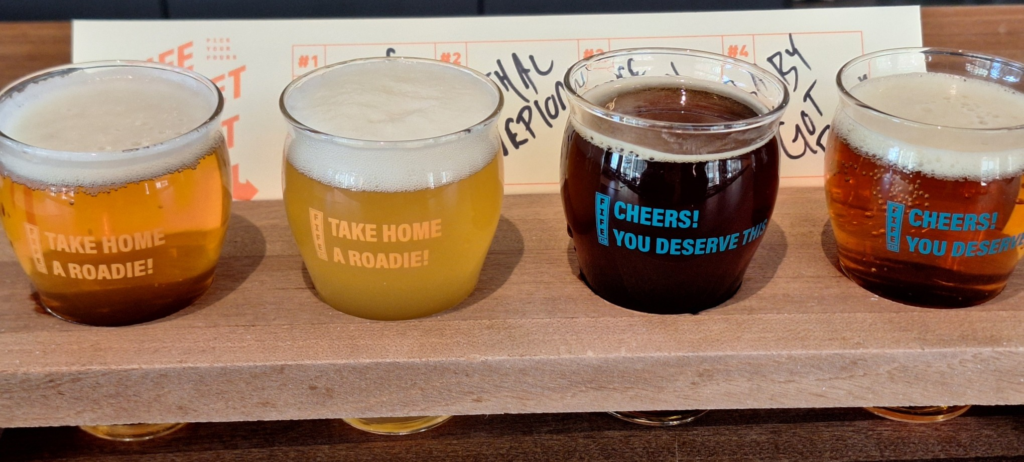
Chuck’s P-51 Porter is one of four flagship beers served at the brewery. All four display a strong hometown identity: Charleston Beer (5.2% ABV), a flavorful golden ale; Summers Street Wheat (5%), an authentic-tasting Weissbier; and Charlie West Coast IPA (6.8%), a play on Charleston’s nickname—Charlie West—which differentiates it from its sister city in South Carolina.
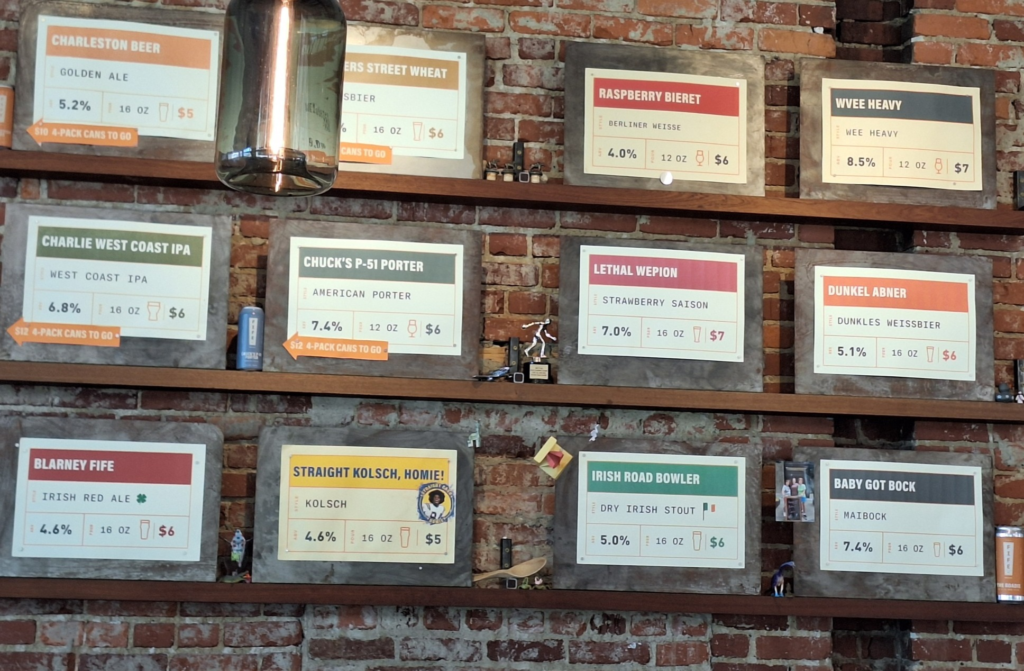
When I visited the taphouse in mid-March, 2026, the four core beers were supplemented by eight rotating seasonals: a Kolsch (4.6%), Irish red ale (4.6%), dry stout (5%), fruited Berliner weisse (4%) and stronger fruited saison (7%), dunkles weissbier (5.1%), Maibock (7.4%), and wee heavy (8.5%). All were well-made and excellent examples of their style: Chuck’s P-51 Porter easily lived up to its award-winning rep: rich and intensely roasty, a classic robust porter. Charlie West Coast IPA delivered bright grapefruit and candied orange flavors with a piney, but not too bitter finish—the freshest, and perhaps the best, West Virginia Westie I’ve tasted. Lethal Wepion (7%) offered good saison character with just a touch of strawberry. Baby Got Back (7.4%) was a lightly malty bock, and the Wvee Heavy (8.5%) was malty, rich, and smooth.
Fife Street’s kitchen has no large oven or deep fryer, but effectively employs its 5-foot grill to create an imaginative array of “elevated grilled cheese” sandwiches, ranging from a “West Virginia filet” of grilled baloney with house-made hobo sauce, banana pepper slaw, and pepper jack cheese to a garlic-grilled Crab Rangoon with soy sauce, cream cheese, and wontons on Charleston sourdough.
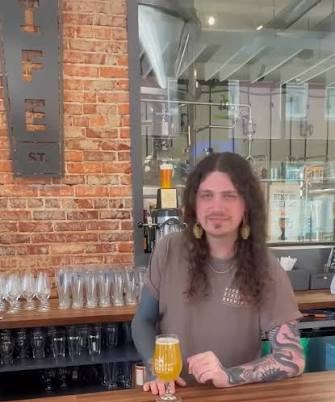
The taphouse’s most memorable asset may well be chief bartender Dylan Costinteen. An avid photographer and ten-year veteran of the indie-alt band Embracer, Costinteen combines his diverse interests with an exhaustive knowledge of Charleston’s history and the engaging banter of an accomplished storyteller.
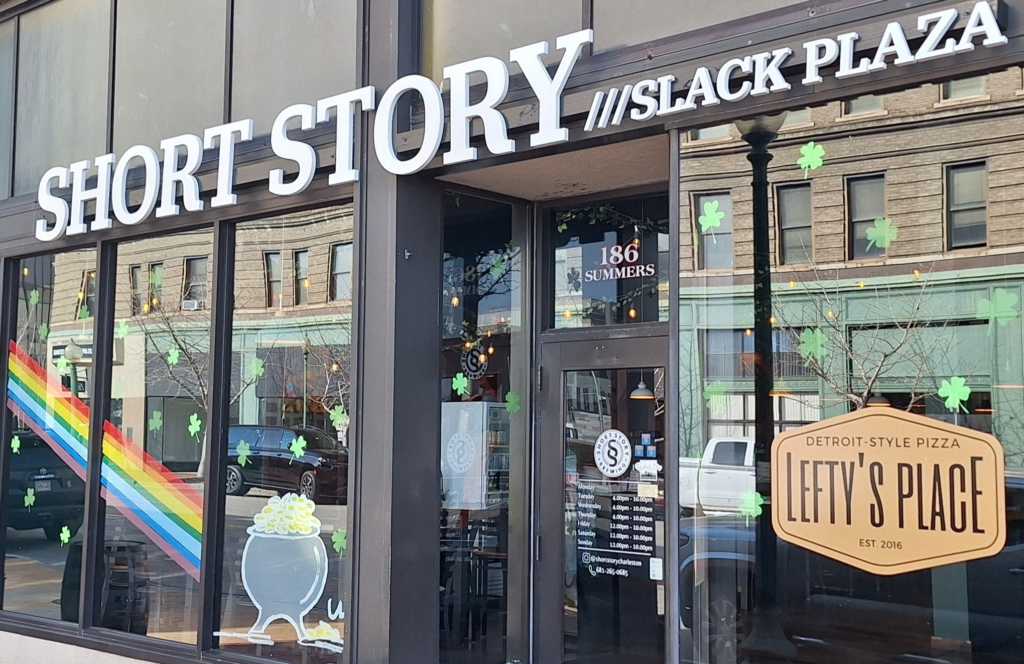
Within weeks of opening, Derek Godwin contacted Short Story Brewing of Rivesville, WV, about a vacant storefront on Summers St., two doors down from Fife Street Brewing. By Thanksgiving, Short Story had completed construction and was serving fresh beer from the new location. Short Story, which also operates taprooms in Morgantown and Deep Creek, MD, became the third brewery within a two-block space in downtown Charleston, creating what was quickly dubbed Charleston’s Brewery Row. With the opening of Ursus Brew Works in March 2026, downtown Charleston now boasts four breweries within a four-block radius. Add the Charleston Nano Brewery in the Elk City neighborhood, and that brings the city’s total to five—by far the most of any city in the Mountaineer State.
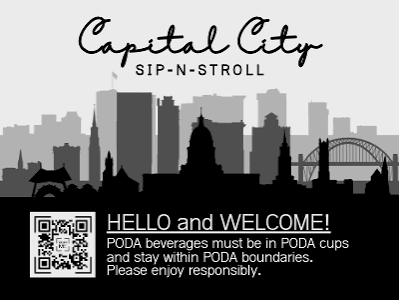
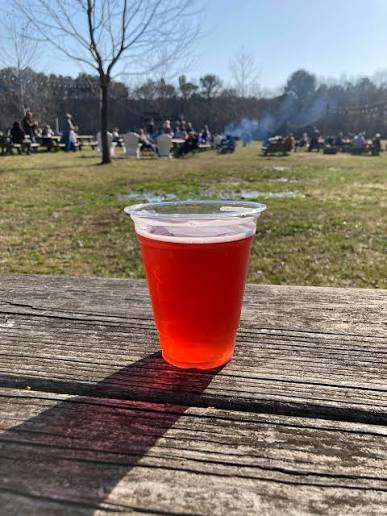
Since 2023, Charleston has adopted a relaxed attitude toward public drinking, reminiscent of cities like New Orleans. The city has established four “Sip-N-Stroll” zones in which bar or brewery customers are free to take their beverages off premise in specially designated plastic to-go cups. Fife Street and the other breweries in Brewery Row lie within the Center Center zone, where imbibing pedestrians are permitted to stroll along walkways, enter participating retail shops, or simply enjoy their brew on a park bench from 4 pm to 10 pm weekdays, or 10 am to 10 pm on weekends and holidays.
Craft brewers talk a lot about supporting local groups and giving back to the community, but few have made as strong a commitment as Fife Street. From Day One, the brewery’s owners pledged to donate 10 percent of their net profits to charitable causes. They established the Fife Street Charitable Fund in 2023 which, in conjunction with the Greater Kanawha Valley Fund, makes quarterly disbursements to such local groups as the Children’s Therapy Clinic and Manna Meal . . . just one more reason why Fife Street is one of the most respected and well-liked taphouses in West Virginia.
In June 2026, Fife Street announced that construction had begun on a new production brewery in the Teays Valley in the town of Hurricane, about a half hour west of Charleston. Equipped with a 20-barrel brewhouse, the new facility will take on the bulk of brewing for Fife Street, as well as canning and distribution of the brewery’s core brands. The Charleston location will continue to brew, but with a focus on experimental beers and one-offs. The new facility will allow Fife Street to expand its distribution beyond the Charleston-Huntington corridor to include Beckley-Fayetteville, Lewisburg, Parkersburg, and Morgantown. The new production brewery is slated to open in mid-October.
—Mickey Cooper, updated 8/24/26
FIFE STREET BREWING
180 Summers St.
Charleston, WV 25301
OPEN
Daily: 11 am — 10 pm
NUMBER OF TAPS
12
AVERAGE ABV
6.2%
OTHER DRINKS
4 ciders
7 wines by the glass
plus a spritzer, mimosa, and sangria
FOOD
10 varieties of “elevated grilled cheese”
plus nachos, hummus, wraps, charcuterie, and salads
PARKING
Limited metered parks on Summers St.
Relatively inexpensive garage parking